The second in a series that focuses on kidnapping, high-value kidnappings for ransom are complex crimes that are both high risk and high reward. Often led by professional criminals and specialized personnel, these kidnappings are rarely reported to authorities. However, success is dependent on key factors. Therefore, taking some preliminary precautions can make kidnapping avoidable.

There are elevated concerns over potential attacks on critical telecommunications infrastructure following suspected Russian sabotage of NordStream pipeline in late September. While cyberattacks appear to be the preferred tool for state-actors, physical attacks could also occur. Companies should review their internal communications channels, prepare contingency plans, and regularly test them in anticipation of future disruptions.
One of the most effective techniques used by intelligence officers to recruit insiders as spies is known as the “little hook.” I’d like to examine how the technique was used in some recent cases and provide suggestions on how companies can counter this very effective tactic.
Security members and teams can employ aspects of the same tools professional intelligence officers use to identify hostile surveillants. Nearly every criminal act involves some degree of pre-operational surveillance. Knowing how to exploit this significant vulnerability in the attack cycle can be instrumental in stopping it and uncovering the bad actor.
The possible resumption of Ukrainian grain exports will only moderate the global food crisis, not resolve it. Weather and other factors will reduce global food outputs, causing prolongs shortages. Global security professionals must pay attention to the risk factors that will make some countries more vulnerable than others.
Action is always faster than reaction. Therefore, the advantage will be with the security team who can prevent an incident rather than having to respond to one. And the key to proactively preventing incidents is protective intelligence. Protective intelligence is a collection of processes that are designed to forecast, identify and assess threats. Appropriate security…
The fourth in a five-part cyber threat series focuses on ransomware attacks where information or computer networks are held hostage until money has been paid. Often these attacks are specifically timed and targeted to place the most pressure on businesses. However, paying the ransom does not guarantee returned access as attacks may not always be…
Most of the material I have produced on personal security, such as articles discussing how to practice situational awareness, counter a stalker, or detect hostile surveillance is focused on helping people protect themselves when they are being specifically targeted for an act of violence. But unfortunately, people are increasingly being killed in attacks in which…
The third in a five-part series demystifies business email compromise schemes and how they target those who transfer funds electronically. Often using information gained from previous successful phishing attacks, BEC scams can average millions of dollars per incident. While the FBI’s cyber attack response may help recover lost funds, the time and resources lost to…
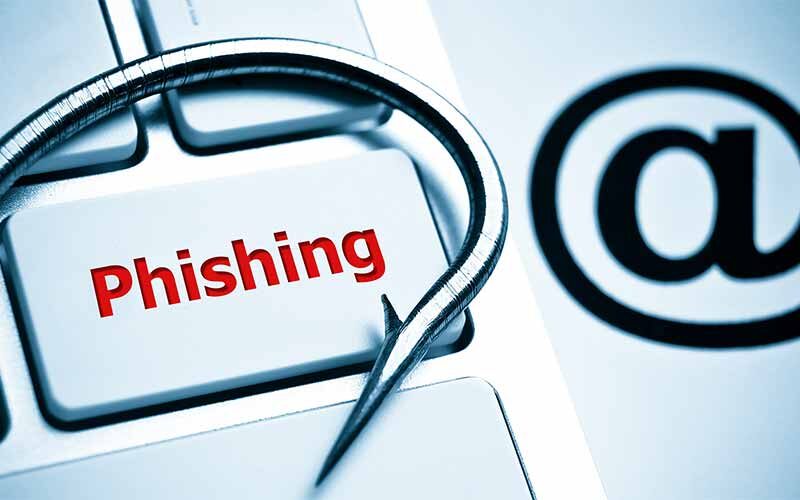
The second in a five-part series explores phishing, and the more targeted spear phishing attack, and how they manipulate information while creating a sense of urgency to trap the unwary. Used within the Cyber Attack Cycle, phishing attacks can allow the attacker some level of unwanted access to a victim’s accounts, devices, or even the…
Cyber attacks leverage information to gain access to proprietary networks, electronic devices, and chains of command in order to gain intelligence, funds, cause disruptions, or all of the above. Attackers can range from the highly sophisticated, state-backed advanced persistent threats to well-organized, financially motivated criminal groups, to more rudimentary individual scammers. The first in a…
Keeping a company safe from cyber attacks often only includes technical security such as properly installed hardware with up-to-date firmware, or preventative software. However, often overlooked is the true vulnerability to a company’s system—its people. Vice President of Intelligence Scott Stewart breaks down why the human element is most targeted by bad actors and what…